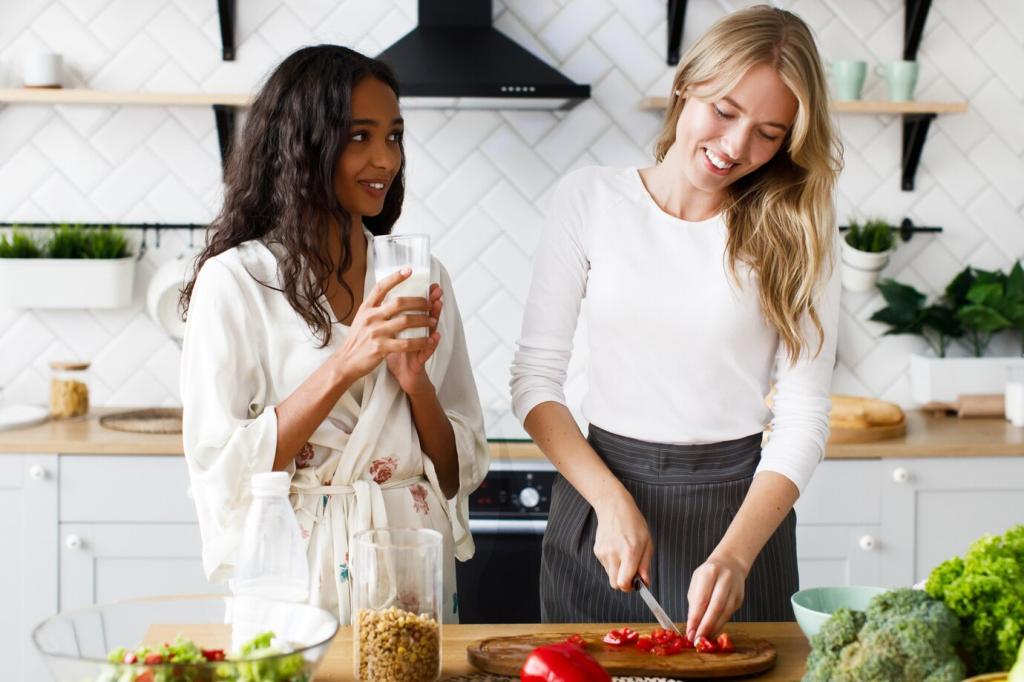
Chef to Page: Bringing Recipes to Life

Chosen theme: Chef to Page: Bringing Recipes to Life. Welcome to a warm, story-rich kitchen where technique, memory, and clear writing meet, so every reader can cook with confidence, flavor, and joy. Subscribe, share your kitchen wins, and help this craft grow.

From Chef’s Memory to the Reader’s Table

A good headnote wafts the promise of a dish before a single pan warms. Tell readers why this recipe matters—grandma’s wooden spoon, late-summer peaches, or a first restaurant shift—and they’ll taste the emotion while they cook.

From Chef’s Memory to the Reader’s Table

The night a hollandaise split mid-brunch taught me patience and temperature control. On the page, I translate that panic into calm signals—steam, viscosity, whisk speed—so readers rescue sauces and feel brave enough to try again.


Signals, Not Just Minutes

Time is slippery. Instead of only saying “sear 3 minutes,” I add cues: edges bronzed, butter nutty, onions translucent at the center. These sensory checkpoints teach confidence, especially when stovetops run hot, cold, or somewhere mischievously in between.

Measurements With Feel

I balance grams and cups with touch and sight: dough should feel supple like an earlobe, vinaigrette glossy enough to coat a spoon. Numbers anchor consistency; poetic cues unlock intuition when cookware and climates inevitably vary.

Home-Kitchen Realities

Restaurant salamanders and combi ovens are dreams; apartments have wobbly burners and one crowded baking sheet. I offer alternatives—broilers, cast-iron preheats, staggered batches—and invite readers to comment with their workarounds so we refine together.

Ingredients With a Life: Seasonality and Substitutions

July tomatoes need only salt, olive oil, and a story. January tomatoes want roasting to coax sweetness. I note these shifts explicitly, helping readers trust instincts and choose the path that honors both palate and season.
Can’t find shallots? Use a mild onion and a whisper of garlic. Dairy-free? Try olive oil plus a splash of oat milk. I map substitutions that preserve texture, aroma, and spirit, so the recipe’s heart stays beating.
I acknowledge cost and availability. If pine nuts soar, suggest toasted sunflower seeds; if fish sauce is new, explain its role and gentle dosage. Comment with local price-friendly finds, and subscribe for monthly substitution charts.

Testing, Iteration, and Trust

I send drafts to testers with different stoves, pans, and experience levels. Their notes—too salty, not brown enough, confusing step two—become revisions. That friction polishes the recipe so first-time readers succeed without guesswork.

Testing, Iteration, and Trust

I document what happens if dough is overhydrated or the roast runs small. Recovery cues—extra folds, rest times, thinner pans—turn near-failures into learning. Share your hurdles; they help me write clearer rescue instructions for everyone.

Photography and Styling That Serve the Story

Light That Tells the Truth

Natural window light reveals crumb and gloss better than heavy filters. I aim for honest shadows and true color so readers recognize the right golden brown, not a stylized mirage that misleads timing or heat.

Styling for Clarity, Not Perfection

I show realistic portions, visible garnishes, and a bit of kitchen lived-in charm—crumbs, steam, a used spoon. These clues reassure readers that good food happens amid real life, not sterile sets.

Process Shots as Mini Lessons

A picture of emulsification mid-whisk or the lacey edge of a crepe teaches faster than a paragraph. I pair steps with visuals and captions, then ask readers which moments still feel fuzzy so I can expand.

Voice, Structure, and Accessibility

Headings That Guide Like Landmarks

Clear sections—Ingredients, Prep, Method, Finishing, Storage—reduce cognitive load. I add bolded cues and short, skimmable sentences. When structure is kind, readers spend less energy decoding and more savoring the act of cooking.

Inclusive, Encouraging Voice

No gatekeeping, no scolding. I celebrate small wins, offer ranges instead of ultimatums, and explain the why behind steps. That tone builds confidence, inviting beginners and seasoned cooks to swap notes and subscribe for deeper dives.

Access for All Cooks

Alt text for images, high-contrast design, and temperature in both Celsius and Fahrenheit matter. Clarity is hospitality on the page. Tell me what accessibility features help you most, and I’ll bake them into future recipes.

This is the heading

Lorem ipsum dolor sit amet, consectetur adipiscing elit. Ut elit tellus, luctus nec ullamcorper mattis, pulvinar dapibus leo.

This is the heading

Lorem ipsum dolor sit amet, consectetur adipiscing elit. Ut elit tellus, luctus nec ullamcorper mattis, pulvinar dapibus leo.

Comparebudgetstays
Privacy Overview

This website uses cookies so that we can provide you with the best user experience possible. Cookie information is stored in your browser and performs functions such as recognising you when you return to our website and helping our team to understand which sections of the website you find most interesting and useful.